




Probate vs Administration: Key Differences Explained
When someone passes away, their family faces a critical decision: will the estate go through probate or administration? These two processes sound similar but operate very differently, affecting timelines, costs, and family stress levels.
At Rubino Findley, PLLC, we help families in Palm Beach County navigate this choice. Understanding probate vs administration now can save your loved ones thousands of dollars and months of uncertainty later.
What is Probate
Probate is the court-supervised legal process that validates a will or appoints an administrator when someone dies without one. In Florida, probate serves a specific purpose: it gives the court authority to identify assets, settle debts, and distribute property according to the will or state law. When someone in Palm Beach County passes away with assets in their name alone-without payable-on-death designations, joint ownership, or beneficiary designations-those assets typically enter probate. The process isn’t optional in these cases; it’s the legal gatekeeper that must open before the estate can officially settle.
How Long Does Probate Actually Take
Florida law requires probate to remain open for at least three months to allow creditors to file claims against the estate. Simple probates with minimal assets and no disputes wrap up in five to six months, according to The Florida Bar. However, complexity changes everything. If the estate includes real property disputes, contested wills, or significant debts, timelines stretch to 12 to 18 months or longer. The personal representative-the executor named in the will or appointed by the court-must identify and secure all assets, notify creditors, handle tax returns, and manage distributions. Each step requires court approval, which means delays aren’t unusual. Families waiting for asset distribution often face months of uncertainty while the court processes paperwork and resolves claims.
What Probate Actually Costs
Probate expenses add up quickly and directly reduce what beneficiaries receive. Court filing fees in Florida range from several hundred to over a thousand dollars depending on estate size. The personal representative typically earns a commission based on the estate value or a contract rate-this isn’t a hidden fee, but it does come from estate assets.
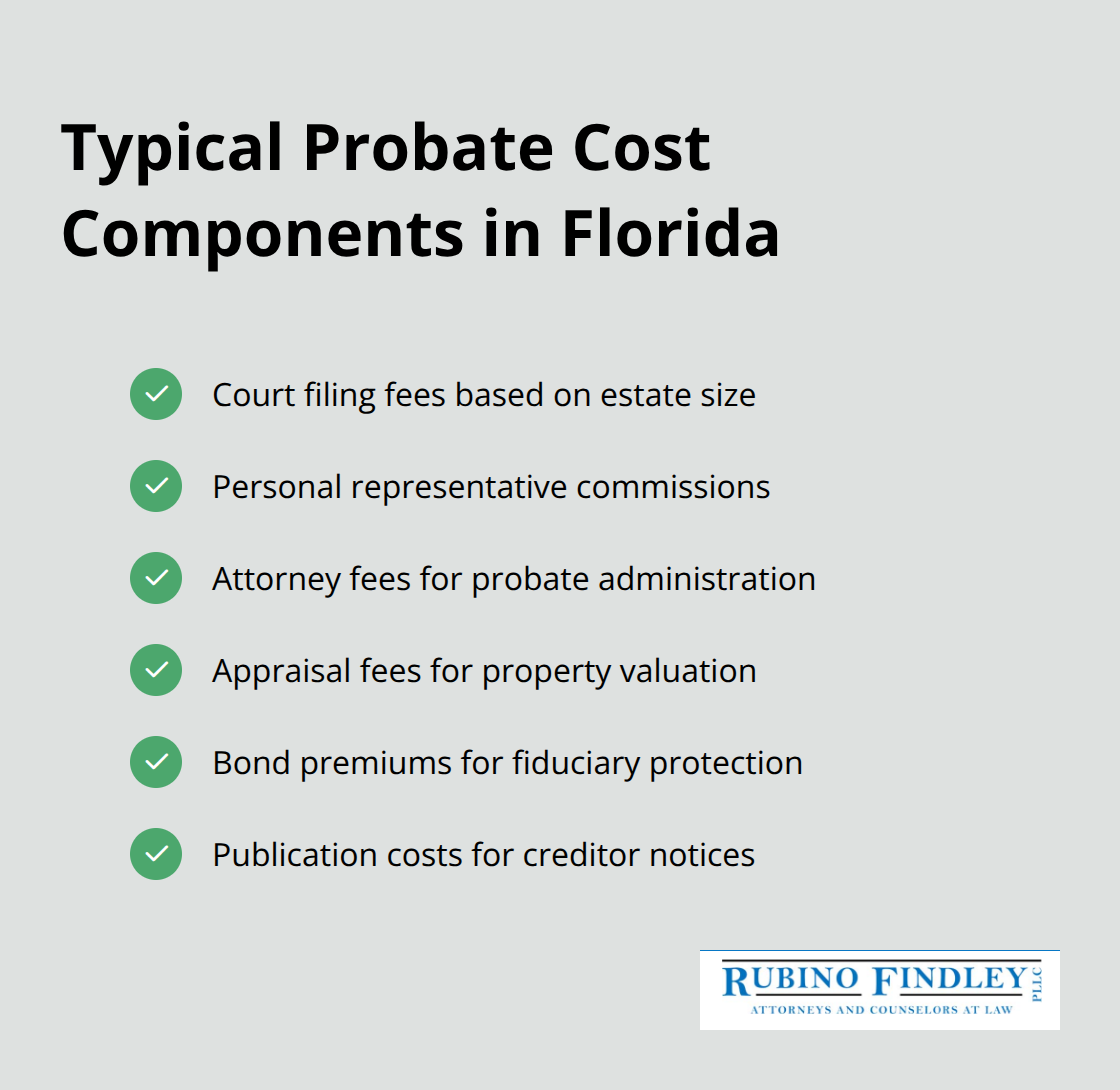
Attorney fees are the largest expense for most families; these are either set by agreement, determined by the will, or approved by the court if contested. Appraisal fees apply when property must be valued for inventory purposes. Bond premiums protect creditors and beneficiaries if the personal representative mishandles funds. Publication costs for creditor notices in newspapers are required and must be arranged by the family. For a $300,000 estate, total probate costs typically range from $8,000 to $15,000 or more depending on complexity. These expenses come directly from the estate before anyone inherits a dollar.
Why These Costs Matter for Your Family
The financial impact of probate extends beyond the obvious fees. When probate drags on for 12 to 18 months, property taxes continue, insurance premiums accumulate, and maintenance costs mount on real estate assets. Beneficiaries who need immediate access to funds face hardship while the court processes claims and approvals. The combination of time and money creates a double burden that many families don’t anticipate. Understanding these real costs helps you evaluate whether probate is truly necessary for your situation or whether alternative paths exist to protect your family’s inheritance.
What Estate Administration Means and How It Works
Estate administration is the broader operational process of managing and settling a deceased person’s affairs. It includes identifying assets, paying debts and taxes, notifying heirs, and distributing property. Probate is one component within estate administration-specifically, the court-supervised phase that validates a will or appoints an administrator. Think of probate as the legal permission slip; administration is the entire journey of settling the estate.
When Probate Becomes Unnecessary
Many estates never need probate at all. When a person’s assets pass automatically through joint tenancy, payable-on-death designations, or a revocable living trust, the estate skips probate entirely. However, administration still happens. The executor or trustee must file final tax returns, pay outstanding bills, manage property, and distribute assets according to the person’s wishes or state law. Estate administration applies whenever someone dies and leaves behind property, bank accounts, or financial obligations-regardless of whether a court is involved.
Speed: How Probate and Administration Compare
The practical differences between probate and administration directly affect your family’s timeline. Probate in Florida requires court involvement, mandatory creditor notification periods, and formal filings; even simple probates cannot close before three months, and most take five to eighteen months depending on complexity.
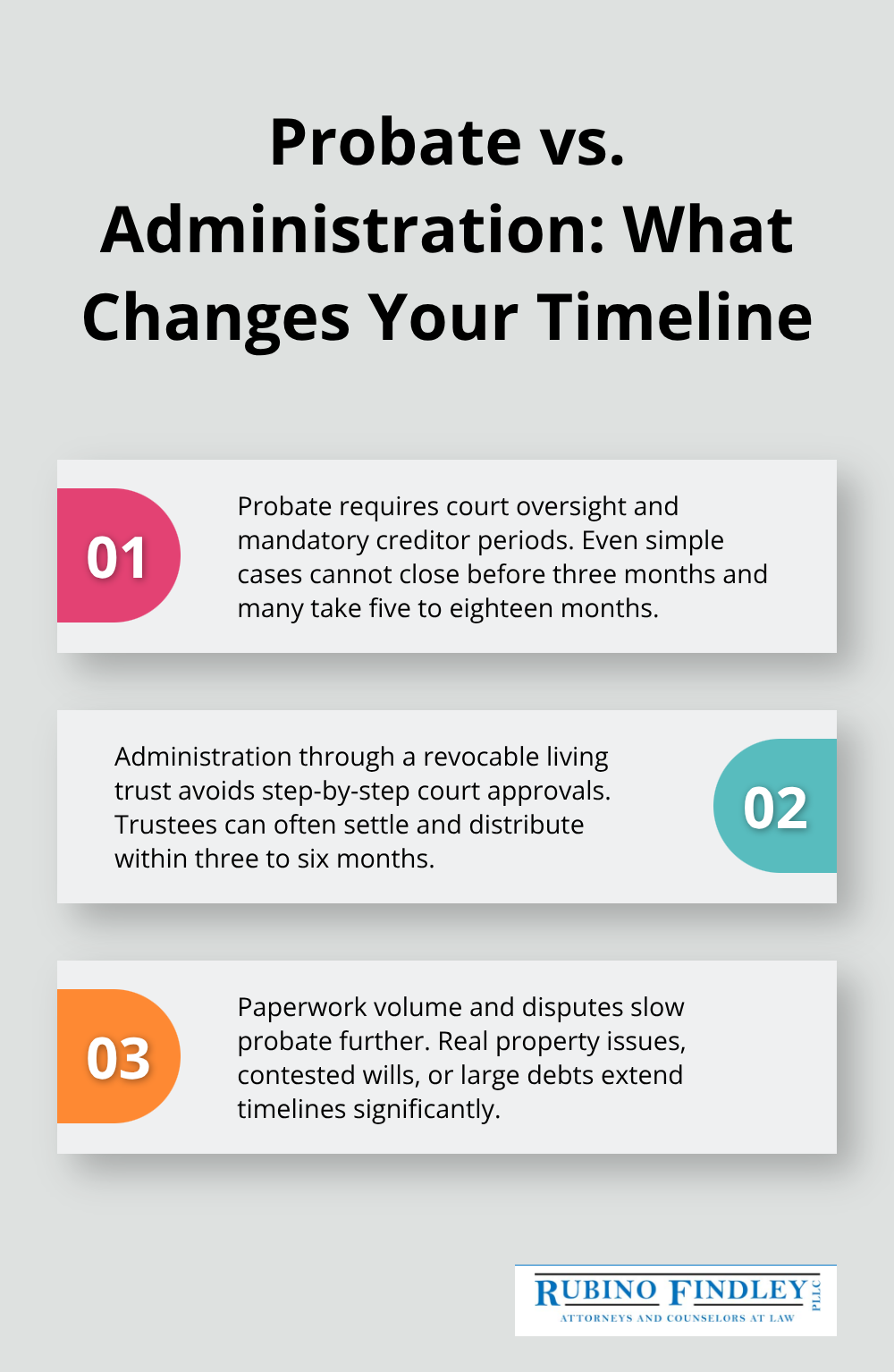
Administration without probate moves faster because no court approval is needed for each step-a trustee managing a living trust can often settle the estate in three to six months and distribute assets without publishing creditor notices.
Cost Differences That Impact Your Inheritance
Costs reflect this efficiency gap. Probate typically runs $8,000 to $15,000 or more in court fees, attorney fees, and executor commissions for a moderate-sized estate. Administration through a trust avoids these court-related expenses entirely, though you still pay for tax preparation, property transfers, and professional fees.
Creditor Protection: The Hidden Advantage of Probate
The real advantage emerges when the estate faces creditor claims or disputes. Probate’s formal structure actually protects beneficiaries by requiring creditors to file claims within three months, after which most claims become invalid. Without probate, creditors have up to two years under Florida law to pursue claims against trust assets. This means choosing probate versus administration isn’t simply about speed and cost-it’s about which legal framework best protects your family’s inheritance from creditor exposure and ensures your wishes are followed exactly as written. The decision requires careful evaluation of your specific situation, which is why understanding these distinctions matters before a crisis forces the choice.
Making the Right Choice for Your Estate
The Real Financial Impact of Your Decision
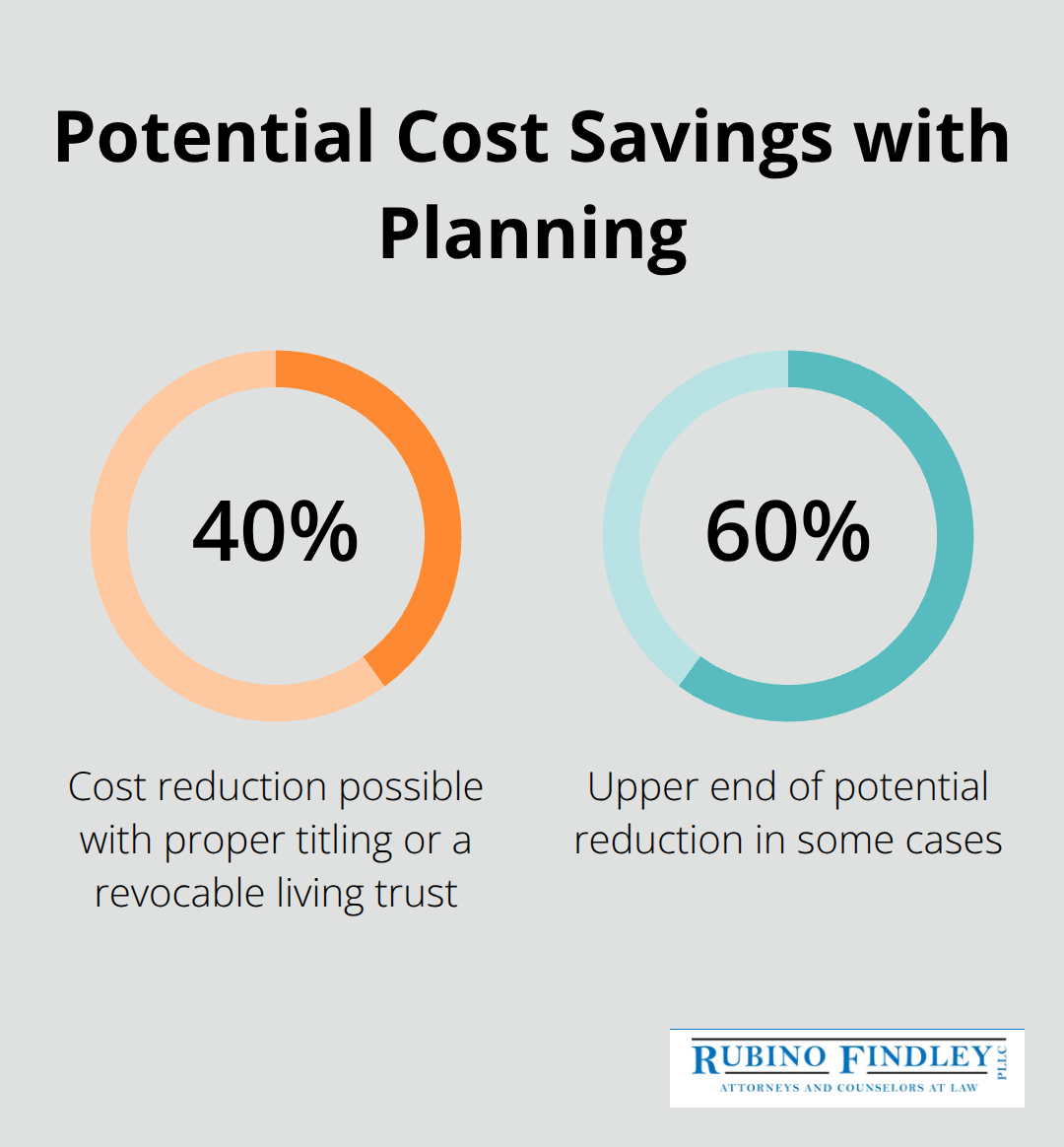
A family with a $300,000 estate that chooses probate spends $8,000 to $15,000 in court fees, attorney costs, and executor commissions before anyone sees their inheritance. That same family could reduce costs by 40 to 60 percent through a revocable living trust or payable-on-death designations. The math is straightforward: proper planning saves thousands of dollars.
Time matters equally. A beneficiary waiting 12 to 18 months for probate closure cannot access funds for a down payment, medical bills, or living expenses. Someone with assets in a trust receives distributions in three to six months. For families in genuine financial stress after losing a loved one, those months of waiting create real hardship.
Creditor Claims: When Probate Actually Protects Your Family
The creditor protection argument cuts the other direction. If the deceased left significant debts or faced potential creditor claims, probate’s three-month creditor filing window actually protects beneficiaries by cutting off claims afterward. Without probate, creditors have up to two years under Florida law to pursue trust assets. This means the fastest path isn’t always the smartest path for every situation.
Matching Your Estate to the Right Process
Your specific circumstances determine which route protects your family best. An estate consisting primarily of a home, car, and bank accounts under $75,000 qualifies for summary administration in Florida, which takes three to six months and costs far less than full probate. A larger estate with real property, investment accounts, and potential creditor exposure may require formal administration despite the longer timeline and higher costs. The worst mistake families make is assuming one path fits all situations.
Why Professional Guidance Matters Now
Starting this conversation before a crisis forces decisions under emotional pressure gives your family real choices and prevents expensive mistakes later. An experienced estate planning attorney can evaluate your actual assets, debts, and family circumstances, then recommend the path that delivers the best outcome. We at Rubino Findley, PLLC work with clients throughout Palm Beach County to help establish wills, trusts, and other estate planning documents that protect your wishes and your family’s financial security.
Final Thoughts
Probate and administration serve different purposes, and the choice between them shapes your family’s financial future. Probate is the court-supervised legal process that validates wills and settles estates under judicial oversight, while administration is the broader operational work of managing assets, paying debts, and distributing property. The distinction between probate vs administration means recognizing that probate isn’t always necessary-many estates pass through trusts, payable-on-death accounts, or joint ownership without court involvement.
When probate applies, it protects beneficiaries through formal creditor claim periods and court oversight. When it doesn’t, administration through a trust moves faster and costs less. Starting your estate plan now prevents your family from facing these decisions under emotional pressure after a loss, and proper planning documents eliminate uncertainty about who controls your assets, accounts, and property if you pass away suddenly.
We at Rubino Findley, PLLC help families throughout Palm Beach County establish wills, trusts, and other estate planning documents that match their circumstances and goals. Contact us to schedule your free consultation and learn how we can help protect your family’s future.